
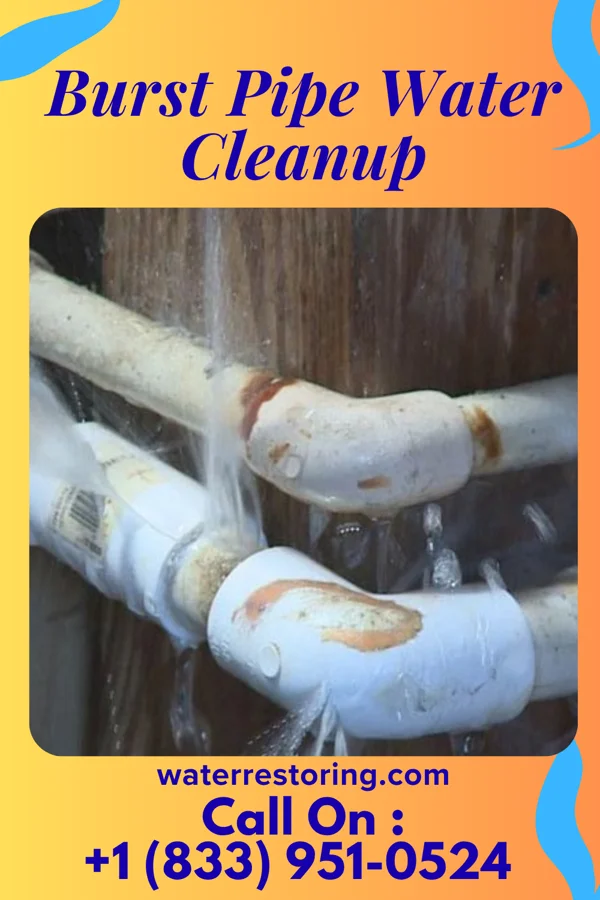
Oakbrook Pipe Burst Risk Drivers
Water damage in Oakbrook tends to cluster in predictable windows because of the local climate. Oakbrook, located in Boone County, experiences a mix of rural and suburban environments, which can lead to older infrastructure in some areas. The presence of agricultural land and seasonal farming activities increases the risk of water pressure fluctuations that may cause pipe bursts, especially during heavy rainfall or irrigation periods. A close second is The proximity to Florence, Burlington, and Union, KY, means that water main maintenance and upgrades in neighboring towns can indirectly affect Oakbrook's water systems. Additionally, the area's clay soil can expand and contract, putting stress on underground pipes and increasing the likelihood of bursts during temperature shifts..
Oakbrook's climate, characterized by humid summers and cold winters, creates conditions that can accelerate pipe corrosion and increase the likelihood of bursts. The area's rural nature means many homes have older plumbing systems that may not be equipped to handle extreme weather events.
Oakbrook's climate, characterized by humid summers and cold winters, creates conditions that can accelerate pipe corrosion and increase the likelihood of bursts. The area's rural nature means many homes have older plumbing systems that may not be equipped to handle extreme weather events. The dominant local driver is Oakbrook, located in Boone County, experiences a mix of rural and suburban environments, which can lead to older infrastructure in some areas. The presence of agricultural land and seasonal farming activities increases the risk of water pressure fluctuations that may cause pipe bursts, especially during heavy rainfall or irrigation periods., with The proximity to Florence, Burlington, and Union, KY, means that water main maintenance and upgrades in neighboring towns can indirectly affect Oakbrook's water systems. Additionally, the area's clay soil can expand and contract, putting stress on underground pipes and increasing the likelihood of bursts during temperature shifts. showing up as the next most common cause. Damage builds in stages. Spread. Absorption. Microbial growth. Structural compromise. Every stage you pass through adds to the final bill.